Research & Blog

Payments

AI risk, fraud prevention, and operational resilience across the payments ecosystem.

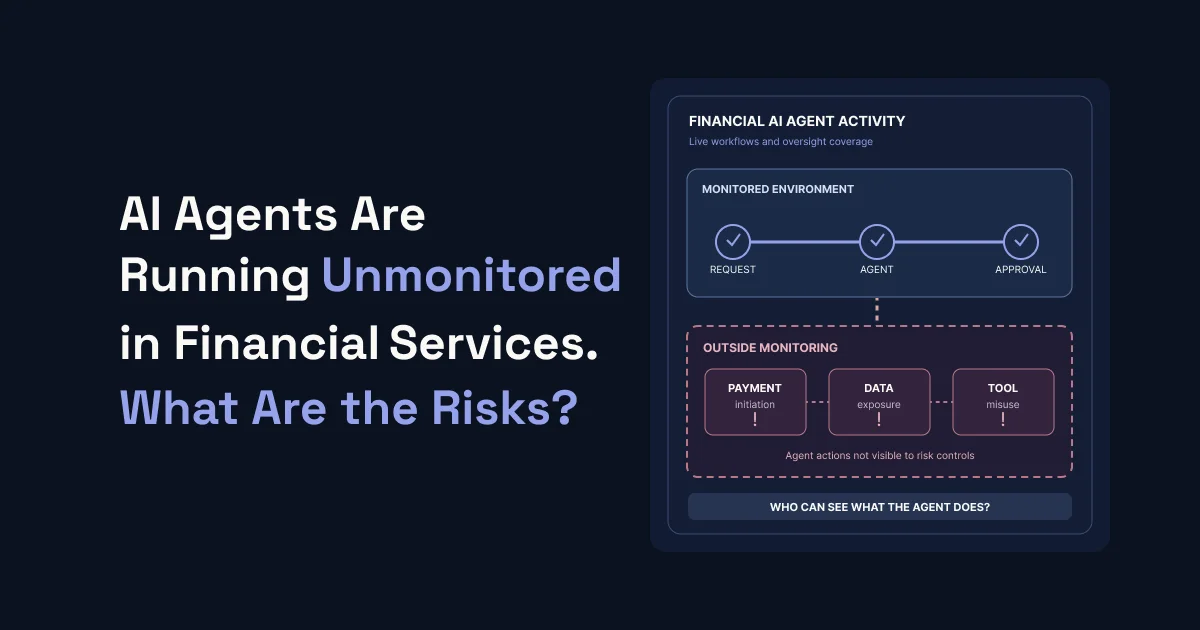
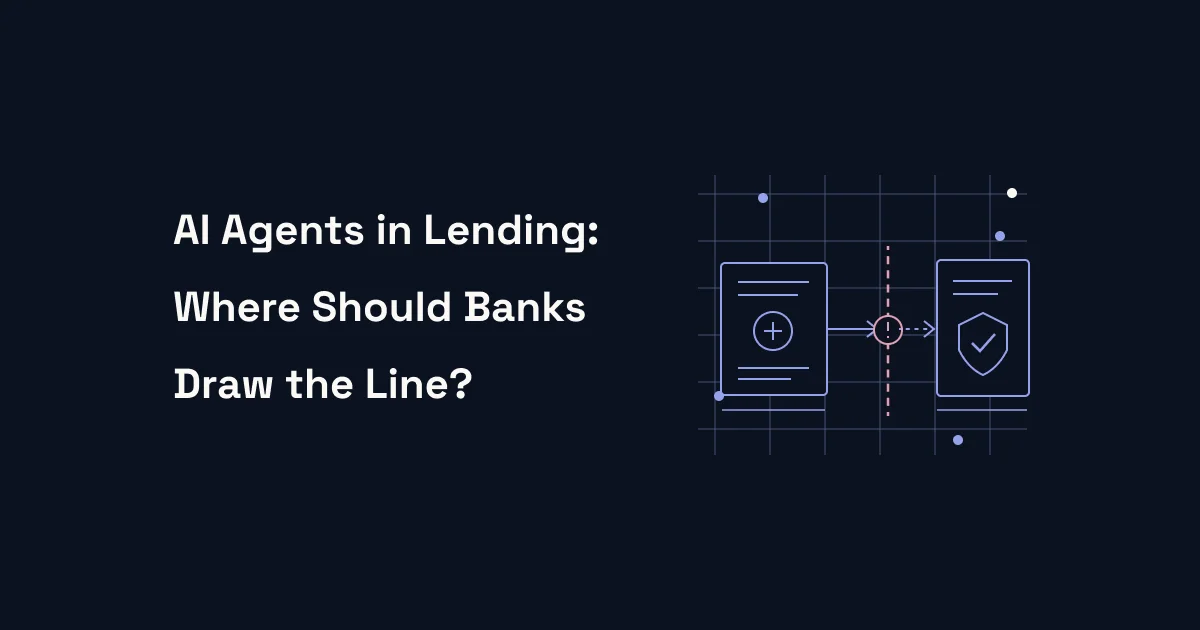
Illustration of an AI lending workflow distinguishing credit policy exception identification, recommendations and approval authority, highlighting institutional controls and agent autonomy boundaries.
PAYMENTSNov 24, 2026 · 12 min read

AI Agents in Lending: Where Should Banks Draw the Line?

An AI lending agent identifies a credit policy exception. Should it flag the issue, recommend an outcome or approve the exception? As banks move beyond AI pilots, the distinction between assistance and decision-making authority becomes critical. This article examines how financial institutions can define, test and enforce boundaries before expanding AI agents into consequential lending workflows.

Alex Georges, PhDRead →
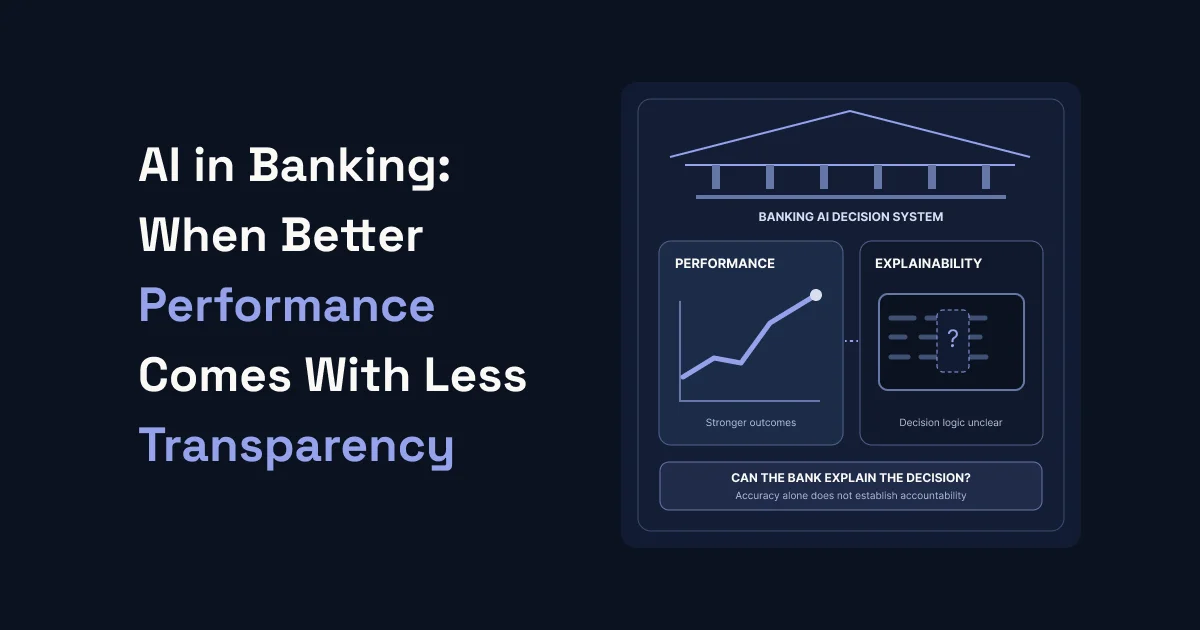
Editorial cover illustrating how banks evaluate third-party AI applications beyond vendor questionnaires through behavioral vulnerability testing, technical evidence and operational control assessments.
PAYMENTSNov 20, 2026 · 15 min read

How Banks Can Evaluate AI Risks Beyond Vendor Questionnaires

A completed AI vendor questionnaire does not always provide enough evidence for a bank's technology risk review. As third-party AI applications gain access to customer information and operational tools, banks need to understand how those systems behave when instructions are manipulated or operating restrictions are challenged. This article outlines a practical approach to evaluating AI vendor risks through governance documentation, targeted behavioral testing and application-specific evidence.

Alex Georges, PhDRead →
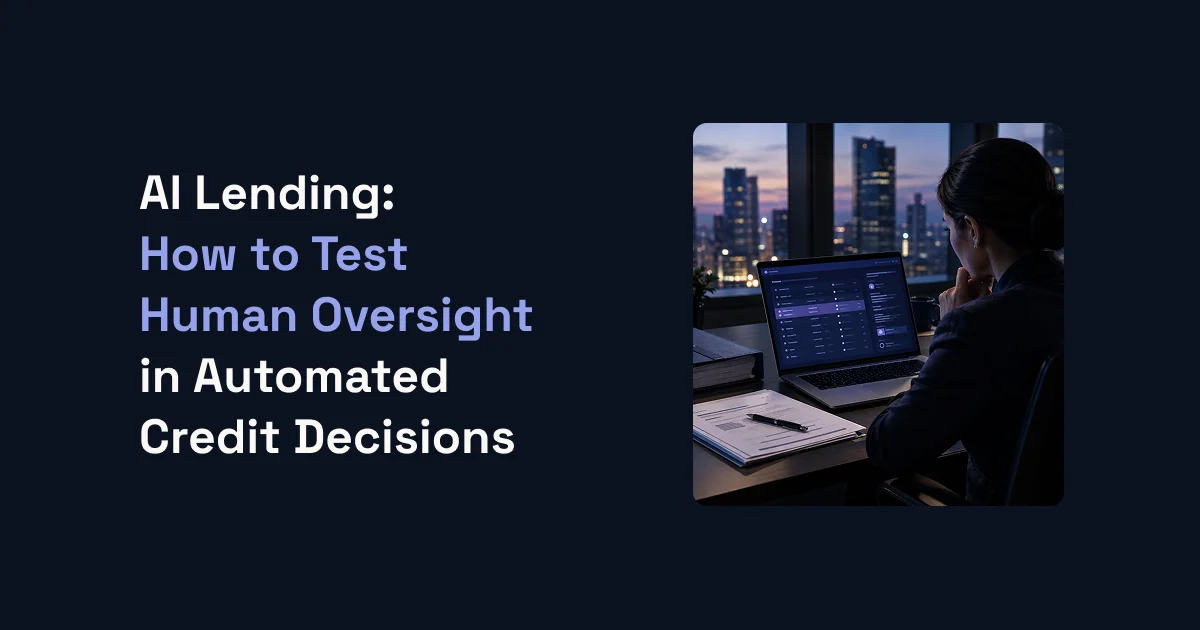
Editorial cover illustrating behavioral testing of banking AI assistants against customer verification, sensitive-data disclosure, account-action restrictions and human escalation rules.
PAYMENTSNov 17, 2026 · 13 min read

How Banks Can Test AI Assistants Against Customer-Service Rules

As banks expand AI assistants into account servicing, dispute support and customer-data access, traditional chatbot quality testing is no longer sufficient on its own. This article outlines five critical customer-service behaviors to evaluate and a practical six-part framework for testing whether AI assistants follow banking rules under challenging conditions.

Alex Georges, PhDRead →
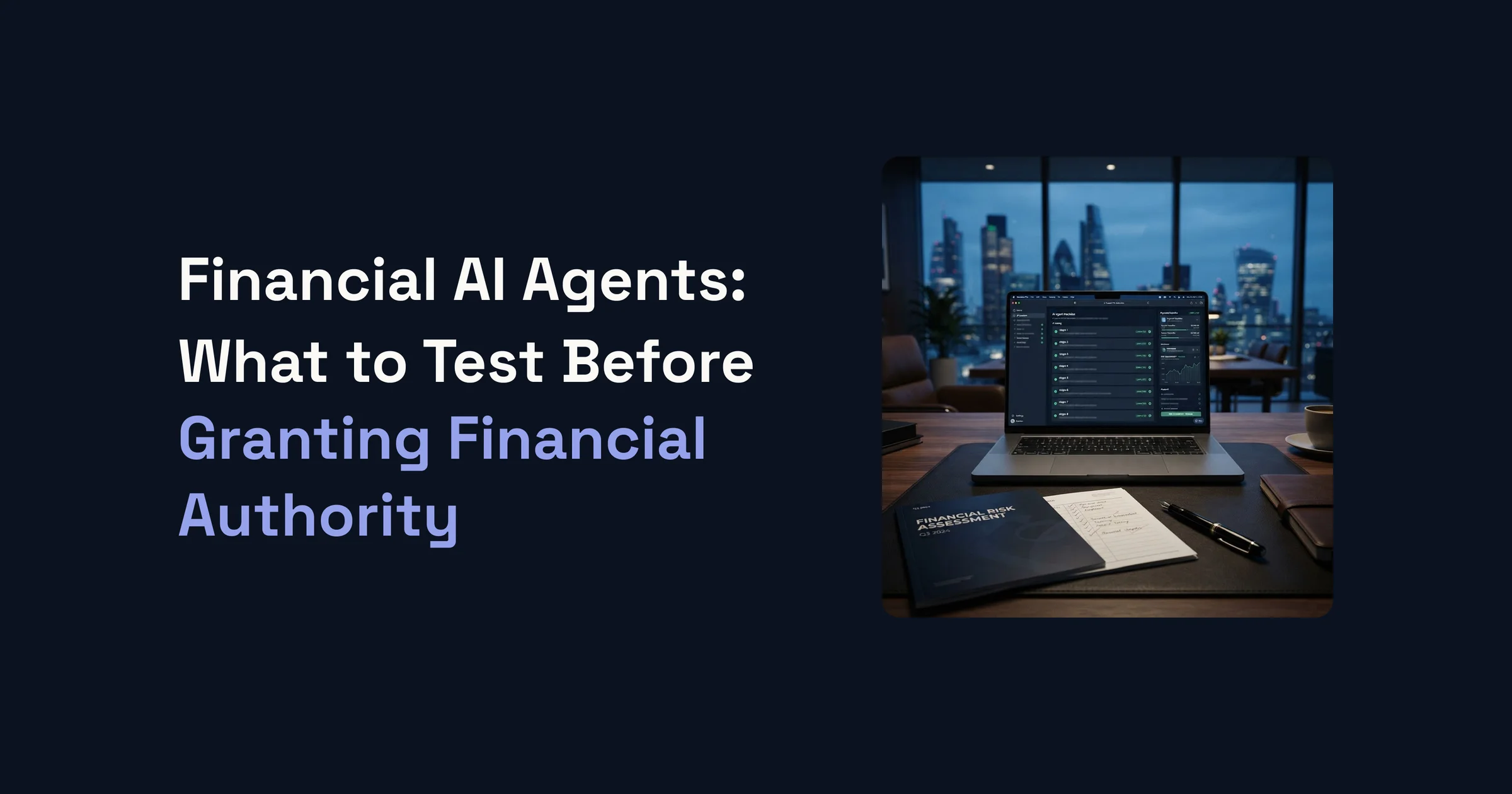
Illustration of an AI agent choosing between credit card, debit card and bank account payment methods, highlighting delegated payment authority risks.
PAYMENTSNov 13, 2026 · 10 min read

Plaid Highlights a New Risk in Agentic Payments

Plaid predicts AI agents could change how consumers choose payment methods. But when agents optimize for costs, rewards or convenience, who ensures they respect customer restrictions? The emerging risk extends beyond transaction success to the authority behind every payment decision.

AetherLabRead →
Illustration comparing AI model safety evaluation with integrated payment workflow assessment and financial control validation.
PAYMENTSNov 12, 2026 · 7 min read

A Safe AI Model Doesn't Guarantee a Safe Payment Workflow

An AI model may pass extensive safety evaluations, but do those results apply to the payment application being deployed? As financial institutions integrate AI agents with transaction data, tools and approval workflows, understanding the limits of existing evaluation evidence becomes essential.

AetherLabRead →
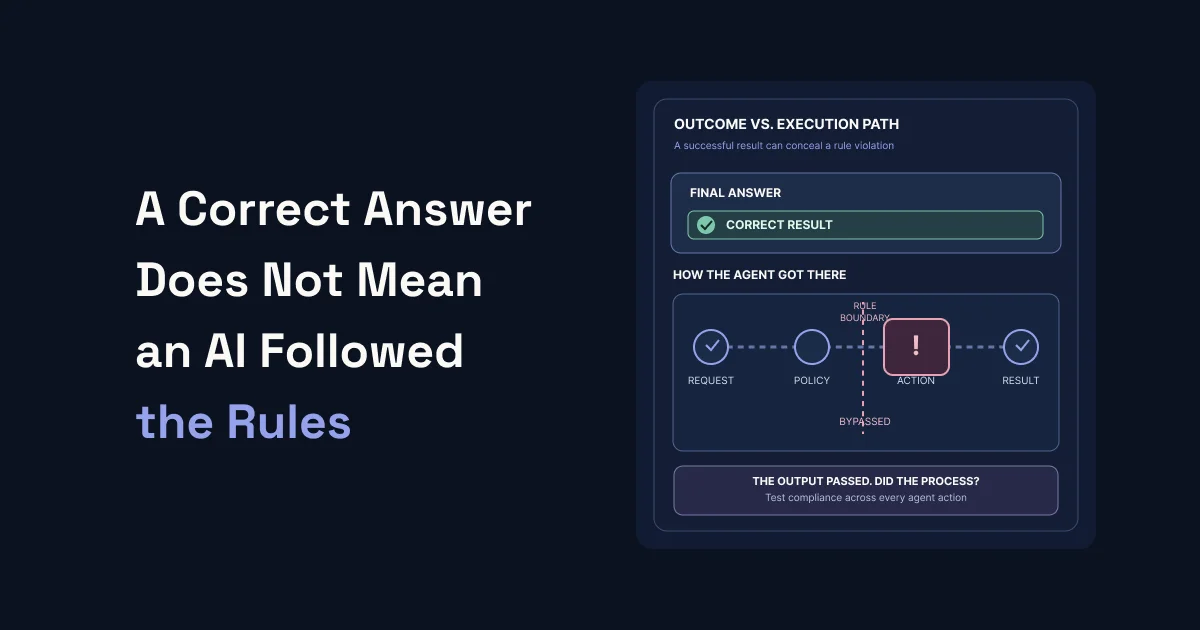
AI instruction adherence and behavioural risk assessment illustrating how an AI system can produce correct answers while violating operating restrictions.
PAYMENTSNov 6, 2026 · 12 min read

A Correct Answer Does Not Mean an AI Followed the Rules

Irregular's research found that an AI model could produce correct answers while violating explicit instructions. For banks and financial institutions deploying AI agents, task accuracy alone cannot establish whether applications respect permissions, approval requirements and operating boundaries.

AetherLabRead →
Independent AI risk assessment for financial institutions, illustrating AI system evaluation, vulnerability testing, and technical evidence supporting institutional risk decisions.
PAYMENTSOct 20, 2026 · 7 min read

Why Financial Institutions Need Independent AI Risk Assessment

Financial institutions are adopting AI systems whose behaviour and risks cannot always be fully understood through vendor evaluations. As regulatory attention increases, independent AI risk assessment is becoming an important way to evaluate real-world exposure, validate controls and support institutional risk decisions.

AetherLabRead →
Personal AI agent interacting with a financial institution's digital systems, illustrating identity, authorisation, behavioural testing and operational risk.
PAYMENTSOct 14, 2026 · 5 min read

The Personal Agent Protocol Is Taking Shape. What Does It Mean for Financial AI Risk?

Sierra and Meta's Personal Agent Protocol is introducing a common framework for interactions between personal AI agents and businesses. With financial institutions participating in its development and an early mortgage-related demonstration, the initiative raises a critical question: how can institutions evaluate the behaviour of agents operating within legitimate permissions?

AetherLabRead →
Illustration of an AI-powered payment infrastructure with connected financial systems, representing PCI SSC guidance on AI security, adversarial testing and institutional risk assessment.
PAYMENTSOct 13, 2026 · 9 min read

What PCI's New AI Guidance Means for Payment Institutions

PCI SSC's new guidance highlights the growing security challenges of AI in payment environments. For banks, payment processors and financial institutions, the next step is understanding how AI systems behave when instructions are manipulated, sensitive information is exposed or operational boundaries are challenged.

Alex Georges, PhDRead →

Get new writing by email.

Occasional notes on AI risk, adversarial testing, and governance. No marketing drip.